As an Amazon Associate, I may earn a commission for qualifying purchases.
The short answer: get an impact driver for ductwork. The brand matters less than you would think. Buy into the battery platform you already own (or want to own).
Why an Impact Driver for Ductwork
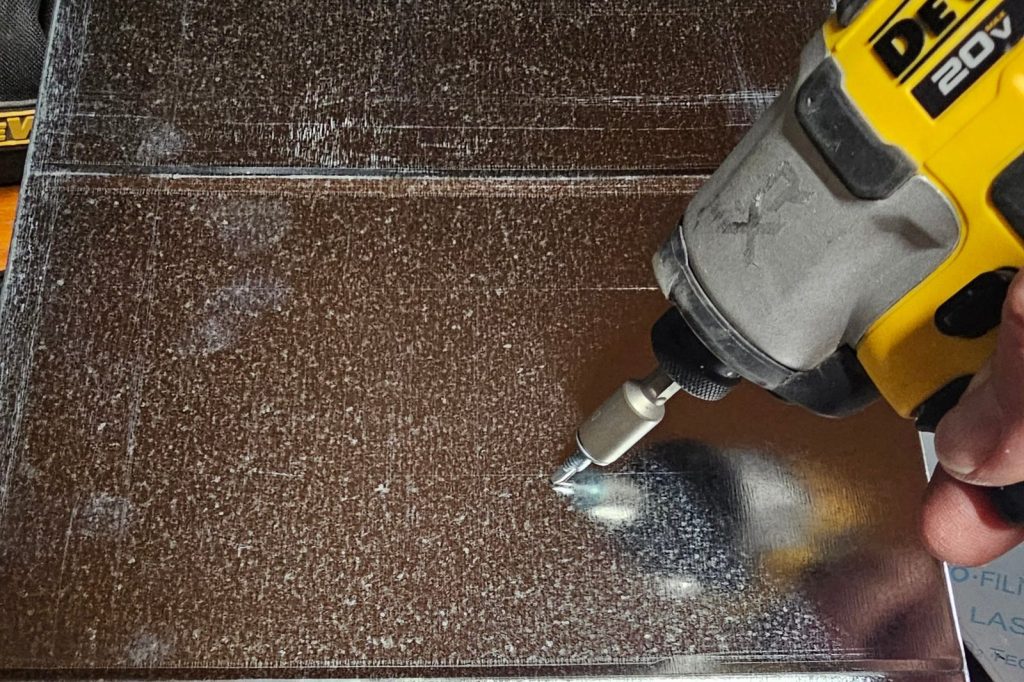
Ductwork takes hundreds of screws and a lot of them are overhead and awkward positions. An impact driver has a small hammering action that pushes while it spins, so screws go in faster with the same effort of force.
A regular drill will also do the job if that is all you have. The impact driver is just faster.
If you are new to this, a hex head sheet metal screw is the screw with the six sided head that typically fastens duct on straps. It does not take a bit. It takes a nut setter.
The Bits Matter More Than the Brand
Word of the day: nut setter. The socket that drives a hex head screw. It drops into the same 1/4 inch hex drive every impact driver uses, which is why bits carry across brands even when batteries do not.
The most common commercial size is a 5/16 inch nut setter. Your spec or the construction documents tell you what size the job calls for.
I buy name brand bits and blades because they last longer. The better ones use carbide tips or stronger alloys. That is my experience, not a rule.
Batteries Are the Part That Is Brand Specific
Tools from different brands do not share batteries. So either match everything to one brand, or do what some guys do and carry two brands, each with its own batteries and charger.
I started on a Ryobi heavy monster impact driver. Then upgraded to a DeWalt with 18V 5Ah battery. Everyone I worked with used DeWalt and that is the way I have stayed. Nothing against the others and I haven’t tested them. That is just what I have used and enjoyed using over the years.
Does a Cheaper Brand Work?
In my experience, yes, for a while. I could not always afford the more expensive tool, so I bought a cheaper one to get by until I could buy something that lasted. That was true for many tools. I still have some of the old corded ones that I bought and never wore out.
My corded Harbor Freight hammer drill worked for a couple of years before it burned up. Then I went with brand as an upgrade.
Then and Now
When I started, batteries gave you a few hours and they wore out after several months. Today they are far better. I do not have an exact runtime to give you, but two 4Ah batteries and a charger will carry a full day.
A Hammer Drill Is a Different Tool
A hammer drill is for anchors and chipping concrete. It comes in hand held, SDS and SDS Max sizes. It is not what you are driving duct screws with. These drills are bigger and bulky to carry all day.
Questions I Get
Can I use a drill instead?
Yes. A drill will drive duct screws. It is slower and your wrist takes more of it, and over a few hundred screws overhead you will feel the difference. If a drill is what you own, go to work with it and buy the impact when you can.
What size nut setter do I need?
5/16 inch covers most commercial work and 1/4 inch covers most residential. Carry both. The spec and the construction documents are what actually decide it on a given job.
Do I need brushless?
YOUR CALL. Brushless motors generally run longer on a charge and have less to wear out, and they cost more. If you are going to buy a tool to put screws in ductwork, the brushless impact driver is going to be the basic entry. If you are year one and need a drill, buy something affordable. When the batteries wear out or the trigger breaks, have some money saved up to buy the brand you want. If you can afford it, splurge on your brand and get the kit. I put my first kit on a credit card and paid it off over three months (and then canceled the card).
Everything else that goes in the bag is on the ductwork tools list, and the screws themselves are covered in how to connect rectangular ductwork.